In modern-day athletics, many athletes believe they should be capable of handling everything on their own, whether it is athletic performance, family matters, business ventures, or financial management. While self-reliance is beneficial for success, the “go-it-alone” approach is often counterproductive to goal achievement and detrimental to an athlete’s physical, mental, and emotional well-being.
I’ve been there and done that. I’ve had moments where I was too stubborn to ask for help. Once, I was renovating my kitchen, and when it came time to sheetrock my ceiling, I rented a sheetrock lift rather than asking for help. To make a long story short, I fell off the ladder onto the edge of the countertop, bruised my rib, punctured my lung, and crushed my ego.
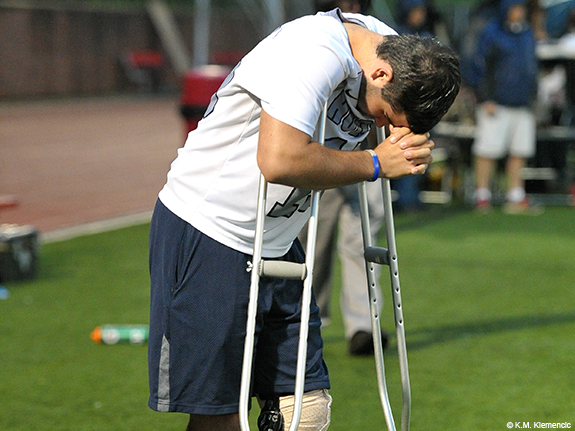
Athletes also find asking for help difficult. For example, how often have you tried to push through an athletic injury only to aggravate the injury? Often, injured athletes feel compelled to “suck it up” and continue competing rather than telling a coach or consulting with medical staff. Despite the risk of worsening the injury, some athletes prefer to hide their injury, fearing they’ll be viewed as weak-minded, lose their role on the team, and crush their egos.
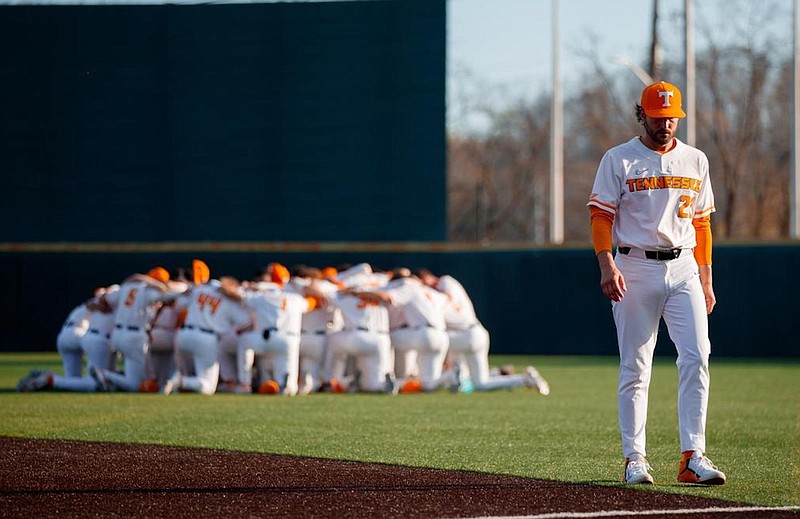
The go-it-alone mindset can extend beyond the field of play. Athletes often reject assistance from mental health professionals, sports psychologists, physicians, career coaches, financial advisors, investment specialists, business coaches, etc. Many athletes would rather “figure things out on their own” and risk failure than bruise their egos.
Athletes who reject asking for help often make things harder for themselves.
What contributes to the “Go-It-Alone” Mentality?
Many factors influence an athlete’s hesitation to seek help, whether inside or outside the sporting world.
Cultural Norms in Sports: The culture within many sports emphasizes independence, resilience, and self-reliance. From a young age, athletes are often encouraged to be tough, push through difficulties, and rely on themselves.Furthermore, sports icons are heralded for their ability to push past pain to win.
Self-Confidence and Control: Athletes often attribute athletic success to personal efforts, discipline, and control over their circumstances. Admitting the need for help can feel as if they are relinquishing control.
Mental Toughness: Mental toughness is a prized attribute in sports. Athletes are trained to push through pain, adversity, and challenges without showing vulnerability. This can translate into a reluctance to ask for help, as it may be perceived as a sign of mental weakness.
Fear of Judgment: Athletes often fear being judged by coaches, peers, media, and fans. The fear of being judged as incompetent or weak can drive athletes to avoid seeking help. This is particularly prevalent in highly competitive ranks where self-reliance is equated with mental fortitude.
Competitive Nature: Sports are inherently competitive, meaning athletes constantly measure themselves against others. Seeking help can feel like admitting weakness or that other athletes are somehow better because they seem not to need help.
Past Experiences: Negative past experiences where seeking help led to disappointment or failure can discourage individuals from asking for assistance again.
Misperceptions regarding support often prevent athletes from achieving their athletic goals, personal success, and full potential.
Potential Pitfalls and Dangers of the “Go-It-Alone” Mentality
Being a “lone wolf” has several negative consequences. Understanding these pitfalls is the first step in challenging your beliefs about seeking support.
Performance Plateaus: Without technical, tactical, and mental performance advice, athletes can slump or fail to meet their seasonal and long-term goals.
Mental Health: Constantly striving to manage everything alone can lead to stress and feelings of isolation. It can exacerbate mental health issues like anxiety and depression. Without confiding in a teammate, coach, support staff, therapist, or sports psychologist, mental health issues can gradually worsen.
Staleness and Burnout: Athletes risk burnout and overtraining when they reject feedback from their coaches or support staff. These athletes may push themselves beyond safe measures, leading to physical and mental exhaustion.
Injury Risk: Ignoring the need for medical or therapeutic help can exacerbate injuries. Athletes might downplay or hide injuries to avoid appearing vulnerable. This can potentially lead to long-term physiological damage and shortened careers.
Financial Bankruptcy: Athletes who believe they can go it alone on the athletic field sometimes extend that belief to the world outside of sports. Instead of soliciting the help of trusted financial advisors, investment experts, and business developers, many athletes make poor financial decisions and squander their savings.
Strained Family Relationships: Being an athlete is stressful enough. Many athletes who feel they don’t need any help often shut down emotionally. This can lead to conflicts with family members, further increasing the stress an athlete experiences.
Asking for help is not an indication of weakness but a sign that you are striving for greater success.
The Benefits of a Teamwork Approach
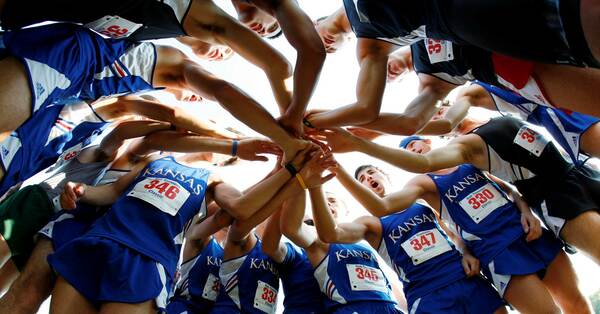
Not only does a team approach increase the likelihood of athletic achievement, but it also boosts health, happiness, and success in the business world. In addition, a teamwork approach teaches that collaboration improves one’s inspiration, motivation, activation, and situation.
Athletic Growth: A team approach (coaches, trainers, nutritionists, sports psychologists, medical staff) improves performance, providing athletes with valuable insights and strategies to maximize their potential.
Motivation: External support can be a powerful motivator, driving athletes to achieve their athletic, financial, and personal goals.
Injury Management: A strong network provides crucial emotional and physical support during recovery, encouraging athletes to adhere to medical advice and avoid rushing their return. Sports and injury psychologists are vital in addressing athlete identity issues and speeding up recovery.
Mental Well-Being: A supportive team environment helps athletes manage stress, anxiety, and the pressures of competition, leading to better mental health and healthier relationships.
Support During Setbacks: A support network helps athletes bounce back from setbacks more efficiently and equips athletes to handle adversity more effectively in the future.
Increased Enjoyment and Satisfaction: Working with a team or support network increases the likelihood of success. As athletes experience more success in sports or the business world, they feel increased fulfillment, pride, and happiness.
Networking Opportunities: Being part of a team expands an athlete’s network, opening up new opportunities outside of sport. Exposure to a broader network (agents, coaches, business professionals, etc.) can lead to valuable partnerships and career growth.

Adopting a Teamwork Approach
Achieving a balance between self-reliance and seeking help is crucial for personal and professional growth. To cultivate this balance, examining past beliefs and recognizing the benefit of a strong support system is essential.
In addition, reflect on past experiences where a team approach or help from others proved advantageous. Past successes can provide valuable insights into the benefits of a broad network of resources.
Finally, try to reframe asking for help as a sign of strength and intelligence. Asking for help should be viewed as a strategic move to enhance performance, success, and well-being.
Conclusion
As previously stated, the “Go-It-Alone” mentality is deeply rooted in lessons learned early in life and sports cultural norms. While self-reliance and resilience are valuable traits, a balanced, teamwork approach that includes seeking help is crucial for sustainable success and well-being. It’s a matter of interdependence over independence. Balancing self-reliance with the willingness to seek and accept help can lead to a healthier lifestyle, a more fulfilling sporting experience, a kick-ass athletic career, and set you up for post-athletic career success and happiness.
…And if you are thinking about sheetrocking your kitchen ceiling, call a contractor. Not only will it save your ribs, but the embarrassment of your spouse telling everyone about your foolish blunders.
JJ Weber is a Co-Founder of Player Support Services and Director of Sports and Injury Psychology. PSS is committed to revolutionizing player care for professional, Olympic, and collegiate athletes during and after their athletic careers.

For questions about this article or Player Support Services, contact JJ: joe@player-support.com
If you need support during your competitive or post-athletic career, Player Support Services is here for you. We offer many services that can benefit you in processing your experience or successfully transitioning to your next phase in life, such as sports psychology, career transition coaching, mental health counseling, business development, philanthropic work, writing assistance, and more.
For a detailed description of services, check out our website: www.player-suppor