Why is retirement so difficult for injured athletes?
Let’s get to the heart of the issue.
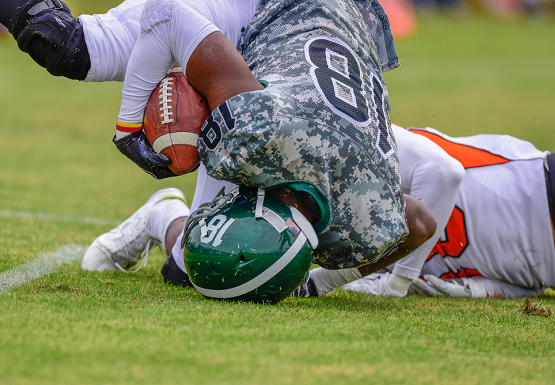
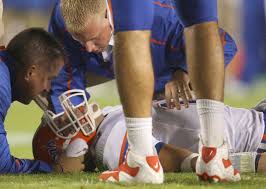
Many people outside the sports world have been calling for the retirement of a recently concussed football player. ESPN, sports talk radio, and social media have all highlighted and commented on this NFL player’s history of injuries and concussions.
Interestingly enough, I was rehabbing my hip when my physical therapist said, “I would hate to see the imaging of his head and cervical spine.” I responded, “You don’t understand the nature of being an athlete.” She went on to argue, “He has earned millions of dollars. He has a guaranteed contract and will never have to work a day in his life.” Again, I replied, “You don’t understand.”
I’m not proposing that athletes battling injuries should continue to compete at the risk of health challenges later in life. That’s not what I’m suggesting at all.
The point I’m trying to make is that an athlete’s identity is complex.
For example, many athletes have started competing as young as six years old. By the time these athletes hit their mid-20s, they had been competing for approximately twenty years, meaning they had dedicated over 75% of their lives to their sport. If you were to ask any of these athletes who they are, they would, almost without exception, define themselves by their sport, “I am a football player,” “I am a soccer player,” “I am a runner,” “I am a basketball player.”
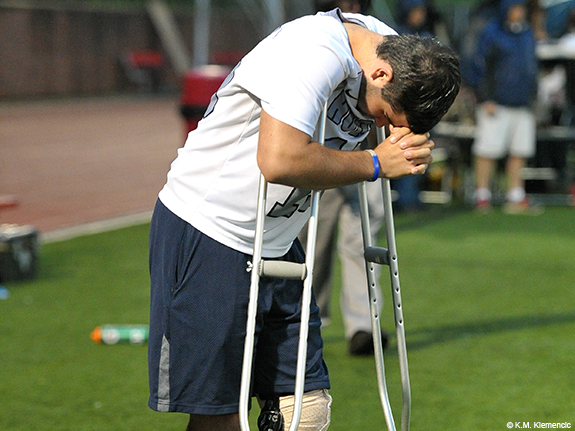
Walking away from competitive sports is not easy when your entire identity is tied to being an athlete, especially if it is not on your terms.
An athlete’s thought process differs from those outside of sport. Most athletes suffering with injuries have confounding thoughts.
Take, for instance, the aforementioned concussed NFL player. The potential for confusing thoughts is many:
“Football is all I know.”
“I don’t want to let my teammates down.”
“People are depending on me.”
“I can beat this injury.”
“I’m going to prove the naysayers wrong.”
“If I retire, I would have no idea what to do with my life.”
“How else will I support my family?”
Add into the mix depression, anxiety, fear of being judged, isolation, and loss of camaraderie, and the matter becomes more complicated for athletes with injuries.
Again, please don’t misinterpret what I’m saying. I’m not suggesting athletes should risk their current or future health. I’m advocating for athletes to be supported to help them navigate their unique challenges, such as injury counseling, mental health accessibility, transition assistance, post-career advisement, and other resources to help them expand their identity beyond competition and develop a clear plan when they retire from sports.
Injured athletes are not the only ones facing significant challenges. An athlete’s spouse, partner, and children suffer too. Many family members walk on eggshells, don’t know what to say, or don’t have the resources to process the situation.
If you are an injured athlete, a family member, or know someone facing health concerns, there are several facts crucial for the welfare of athletes suffering with injuries:
You are more than just an athlete.
People care.
Asking for help is a sign of strength.
Resources are available.
You don’t have to struggle in silence. Reach out for help!
JJ Weber is a Co-Founder of Player Support Services and Director of Sports and Injury Psychology. PSS is committed to revolutionizing player care for professional, Olympic, and collegiate athletes during and after their athletic careers.
If you need support for your injury challenges, Player Support Services is here for you. We offer many services to help you deal with the physical and mental impacts of injuries, process your circumstances, confidently return to competition,or successfully transition to your next phase in life.
For questions about this article or Player Support Services, contact JJ: joe@player-support.com
For a detailed description of services, check out our website: www.player-support.com