Why is retirement so difficult for injured athletes?
Let’s get to the heart of the issue.
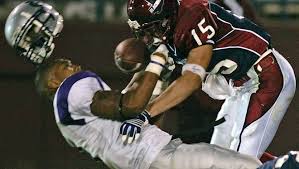
Many people outside the sports world have been calling for the retirement of a recently concussed football player. ESPN, sports talk radio, and social media have all highlighted and commented on this NFL player’s history of injuries and concussions.
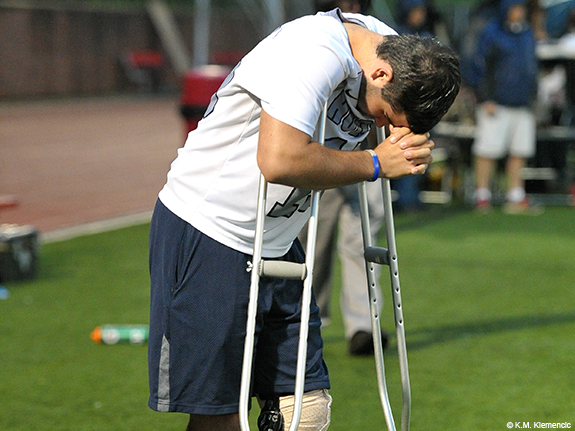
Interestingly enough, I was rehabbing my hip when my physical therapist said, “I would hate to see the imaging of his head and cervical spine.” I responded, “You don’t understand the nature of being an athlete.” She went on to argue, “He has earned millions of dollars. He has a guaranteed contract and will never have to work a day in his life.” Again, I replied, “You don’t understand.”
I’m not proposing that athletes battling injuries should continue to compete at the risk of health challenges later in life. That’s not what I’m suggesting at all.
The point I’m trying to make is that an athlete’s identity is complex.

Why is retirement so difficult for injured athletes?
Let’s get to the heart of the issue.
Many people outside the sports world have been calling for the retirement of a recently concussed football player. ESPN, sports talk radio, and social media have all highlighted and commented on this NFL player’s history of injuries and concussions.
Interestingly enough, I was rehabbing my hip when my physical therapist said, “I would hate to see the imaging of his head and cervical spine.” I responded, “You don’t understand the nature of being an athlete.” She went on to argue, “He has earned millions of dollars. He has a guaranteed contract and will never have to work a day in his life.” Again, I replied, “You don’t understand.”
I’m not proposing that athletes battling injuries should continue to compete at the risk of health challenges later in life. That’s not what I’m suggesting at all.
The point I’m trying to make is that an athlete’s identity is complex.