The Rise of Athlete Brands
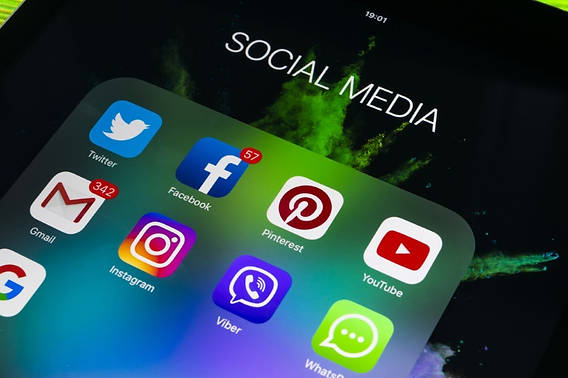
NIL deals have opened new doors for athletes at all levels. From college athletes to seasoned professionals, the ability to monetize one’s name, image, and likeness has provided significant revenue opportunities. Social media platforms such as Instagram, TikTok, Twitter, and YouTube have become powerful tools for athletes to engage with their audience, build their brands, and secure lucrative partnerships with companies eager to leverage their influence.
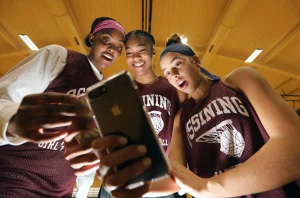
Athletes are no longer just athletes—they are entrepreneurs. Whether through brand ambassadorships, sponsored content, or merchandise sales, they now operate in the realm of business, marketing, and media. This has given rise to a new kind of sports icon, one who is not just admired for their physical prowess but also for their ability to create and manage a brand.
The financial benefits are clear. Athletes can earn millions from social media endorsements and sponsored content, with some becoming household names outside their sport. For example, basketball stars like LeBron James, gymnast Livvy Dunne, and soccer icons like Cristiano Ronaldo are not only recognized for their athletic achievements but also for their marketing acumen and ability to connect with fans through digital platforms.
Social Media: A Double-Edged Sword
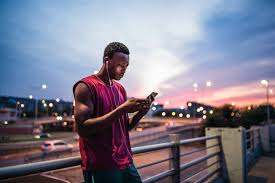 While the benefits of social media for athletes are undeniable, the landscape has its pitfalls. The very platforms that provide athletes with exposure and opportunities to monetize their brand also introduce significant challenges and risks. The increased visibility can lead to heightened scrutiny, both from the public and from sponsors.
Social media can be harmful to athletes in several ways:
SPONSORSHIP AND AMBASSADORSHIP PRESSURE: With brands, sponsors, and millions of fans watching, the expectations placed on athletes can be overwhelming. Any slip-up or misstep can result in lost sponsorship, legal issues, or a tarnished reputation.
BODY IMAGE ISSUES: Athletes often feel compelled to present a flawless version of themselves on social media. The excessive expectations to maintain a perceived image of what an athlete “should look like” can lead to unhealthy comparisons and body image concerns.
CYBERBULLYING AND ONLINE NEGATIVITY: The anonymity of social media platforms enables harsh criticism and even personal attacks. Negative comments, trolling, cyberbullying, and hate speech can severely impact an athlete’s emotional well-being, self-concept, and confidence, creating additional stress beyond the demands of their sport.
DISTRACTION FROM TRAINING AND PERFORMANCE: The temptation to spend an inordinate amount of time on social media can divert attention from training and preparation for competitions. Engaging with online content, responding to criticism, or seeking validation can become a distraction, affecting focus, motivation, and overall performance.
MENTAL HEALTH CONSEQUENCES: Relentless scrutiny and negativity on social media can contribute to anxiety, depression, and emotional exhaustion. Constant exposure to public opinions, whether positive or negative, places an immense psychological burden on athletes, often affecting their physical and mental well-being both on and off the field.
NEGATIVE IMPACT ON FAMILIES: Families of high-profile athletes frequently endure significant hardship when faced with online abuse. It’s particularly challenging for children and their mental health as they come across hurtful comments about their parents on Instagram, Twitter, and TikTok.
THREATS OF VIOLENCE: With the rise of online sports betting, athletes are increasingly facing threats of violence from angry gamblers who feel entitled to a certain outcome. When bets don’t go their way, some individuals resort to harassment, threats, and abusive messages, creating an additional layer of stress for athletes.
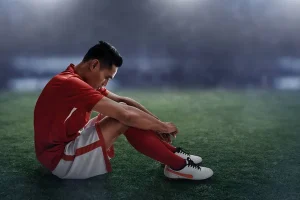
The 10 Commandments of Social Media for Athletes

I. Limit your time on social media and schedule specific times to post and comment.
II. Don’t respond to questionable or hostile direct messages
III. Turn off your notifications so you are not tempted to spend an inordinate amount of time online.
IV. Abstain from feeding into negativity or posting retaliatory comments.
V. Block accounts that engage in hate language, bullying, and unhealthy commentary.
VI. Refrain from opening your social media accounts hours before and immediately after a competition or when your emotions run high.
VII. Do not mindlessly scroll before bed.
VIII. Understand how both positive and negative content online can affect your mental health
IX. Have a support system in place to help you manage stress and online abuse
X. Choose your battles wisely. Most haters cannot be educated!
At Player Support Services, LTD., we specialize in comprehensive athlete well-being and helping athletes navigate the complicated and evolving landscape of sports. From brand management and mental well-being support to social media strategy and crisis management, we ensure you stay focused on what truly matters—your well-being, performance, legacy, and peace of mind.

For a detailed description of our services, check out our website: www.player-support.com

JJ Weber is a Co-Founder of Player Support Services and Director of Sports and Injury Psychology with over two decades of experience working with professional, Olympic, and elite athletes. For questions about this article or Player Support Services, contact JJ: joe@player-support.com