
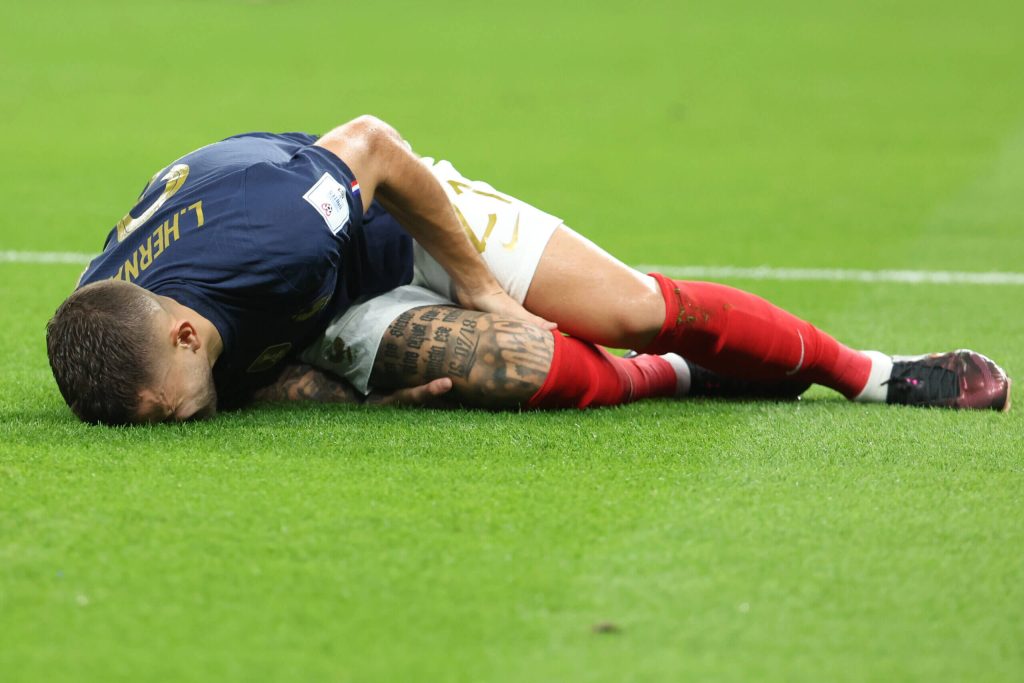
Injuries are an inevitable part of an athlete’s career, impacting not only physical performance but also, their confidence, identity, and sense of importance.
While most athletes focus on physical rehabilitation to regain strength and mobility, the mindset of returning to competition is often overlooked. A significant problem is the tendency to “brace” or hold tension in the recently injured area. This unconscious response, intended to protect the body from further harm, can heighten the risk of reinjury or result in a different, yet related, injury.
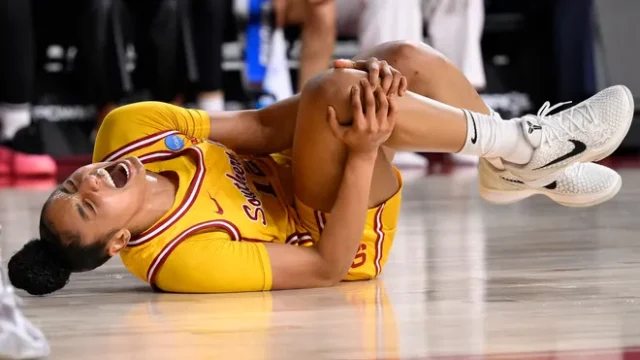
During the 2025 Women’s March Madness Tournament, USC sophomore Juju Watkins tore her ACL in a Round Two matchup against Mississippi State and will miss the remainder of the tournament. Watkins is the frontrunner for the Naismith National Player of the Year award. She led USC with an average of 24.6 points per game, and expectations were high for a championship for the top seed. Instead of battling with her teammates, Watkins will undergo surgery to repair the injury. With an estimated recovery time of 10-12 months, Watkins will miss most of her 2025-26 season.
Interestingly, two days before the Mississippi State game, Watkins rolled her ankle in the third quarter against UNC Greensboro and exited the game for a brief period.
Is it possible that Watkins was overcompensating or favoring her previously injured ankle, contributing to the torn ACL?
While it is difficult to state for certain, many athletes reinjure or suffer a related injury due to the impact of “bracing”.
Much of my sports psychology career has been dedicated to working with injured athletes, and I have witnessed this phenomenon many times.
When an athlete experiences an injury, the body’s natural defense mechanism is to guard the affected area by tensing the surrounding muscles. While this response is beneficial immediately following the injury, a persistent bracing response or increased muscular tension has detrimental consequences. Bracing causes increased muscle stiffness during competition, alters movement patterns, creates imbalances that strain other body parts, and throws off mechanics.
These factors, along with detraining or rushing back to competition before a proper level of healing, increase the odds of another injury.
For example, a runner recovering from a knee injury may subconsciously shift their weight to the opposite leg, leading to hip or lower back injuries.
Similarly, a baseball pitcher recovering from a shoulder injury may hold excessive tension in the arm, limiting their range of motion and increasing stress on the elbow.
The fear of reinjury can lead to overly cautious movements, lowered confidence, increased anxiety, and decreased technical efficiency. Psychological stress reinforces physical tension, creating a cycle that impedes optimal recovery and successful re-entry into competition.
To prevent reinjury, rehabilitation must go beyond strengthening the injured area. Athletes must tend to their mental state and be mentally prepared to return to competition.
Sports psychologists and physiotherapists often work together to help athletes rebuild trust in their bodies, set realistic expectations, implement relaxation strategies, build confidence in their ability to compete again, and learn to play loose and free.
Recognizing and correcting bracing patterns is crucial for long-term athletic success. By focusing on proper rehabilitation and mental conditioning, athletes can break the cycle of tension and reinjury, ensuring they return to competition physically stronger and more resilient than before.

At Player Support Services, Ltd., we understand that recovering from an injury is more than just physical rehabilitation—it’s about rebuilding confidence, trust, and mental resilience. Our team of experienced sports psychologists specializes in helping athletes navigate the psychological challenges of injury recovery, ensuring they return to competition with both physical strength and mental readiness. PSS helps athletes break the cycle of bracing and reinjury. By addressing the body and the mind, we empower athletes to come back stronger, more resilient, and fully prepared to perform at their best.
JJ Weber, M.Ed., is a Co-Fo
under of Player Support Services and Director of Sports and Injury Psychology with over two decades of experience working with professional, Olympic, and elite athletes. If you have any questions about Player Support Services’ Sports Psychology, Injury Psychology, physio/ rehab services, or other offerings (Performance, Physical, Mental, Family, or Post-Career Well-Being), please email JJ Weber, M.Ed., at joe@player-support.com.