
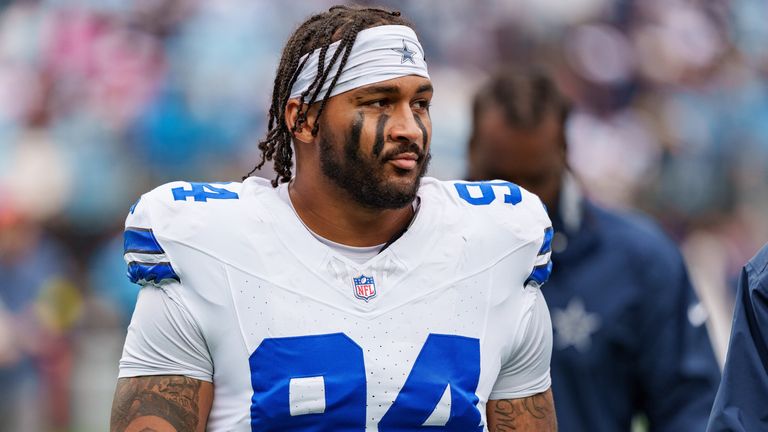
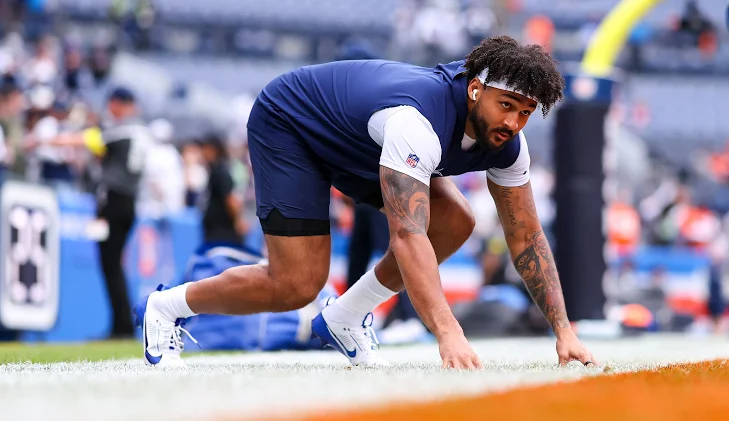
Three days before his death, Kneeland had his most memorable game as a pro, returning a blocked punt for a touchdown against the Arizona Cardinals.
However, touchdowns and statistics don’t matter when the person wearing the jersey is suffering. In the sports community, we need to change the game so that the priority is an athlete’s well-being and mental health, not wins, money, or accolades.
Unfortunately, when I look at the world of sports, the statistic that sticks out most is the increased number of suicides among athletes. It’s heart-wrenching that so many athletes experience moments of deep despair where suicide feels like the only option.
However, we are unaware of the countless other athletes struggling with their mental health and suffering in silence. I believe far more athletes have come close to the line of suicide than most of us realize.
I’ve been there myself as a student-athlete. Many times, I sat in the classroom and just cried. Even though I was surrounded by friends and classmates, I felt alone and empty. In the locker room, my teammates would be joking around before practice, while I distanced myself. I felt like a malignant misfit. Fortunately, I had a strong connection with my family doctor, who listened to me, believed in me, was there for me, helped me to see the value in myself, and worked with me to move past those dark times.
Throughout my sports psychology career, many athletes have shared similar experiences with me, expressing common sentiments such as:
In times of deep mental distress, the mind can distort reality. It can convince someone that suicide is the only way out, or that the people they love would somehow be better off without them.
And when others say, “Think of the people you’ll leave behind,” the intention may be to help, but it can land as blame. As a result, shame grows. The person retreats further. Silence deepens.
Meanwhile, those around the struggling athlete often don’t know what to say or how to help. They feel unsure, afraid of saying the wrong thing — and so they say nothing. The silence becomes mutual. And the pain continues in the dark.
If you need help, reach out to Player Support Services. We offer resources to help struggling athletes, including facilities for high-profile athletes who require anonymity.

JJ is a Co-Founder of Player Support Services and a sports psychology specialist with 20 years of experience working with professional and Olympic athletes worldwide. JJ focuses on athletic peak performance, injury recovery, and holistic well-being on and off the field.