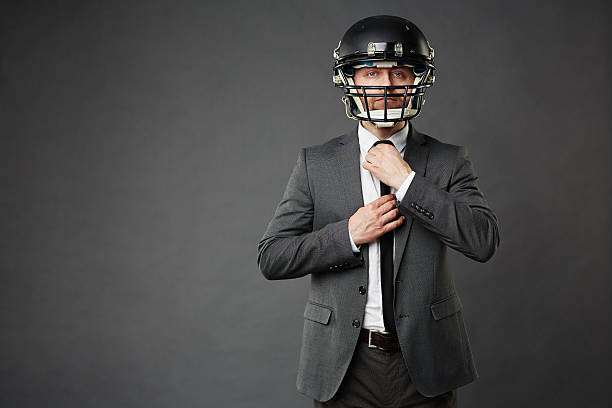
After years devoted to athletic performance, many athletes transitioning out of professional sports share a common thought: “Not only am I no longer an athlete, I’m also behind my peers in the workforce.”
Retired athletes often feel behind in work experience, career development, and behind their peers who’ve jumped from college to climbing corporate ladders or building businesses.

While this feeling is understandable, it couldn’t be further from the truth.
The mental skills you developed throughout your long athletic career—discipline, resilience, focus, adaptability, goal setting, and performance under pressure—are transferable to your new career path. These skills are transformative. When applied intentionally, they can place you miles ahead of those without your level of sports experience.
The True Education of Sport
Athletes often view their sport as a physical journey, but in reality, it’s also an elite mental training ground. While others spent years learning theoretical leadership in classrooms, you lived it in locker rooms, training facilities, high-stakes competitions, and athletic training rooms.
The following is a small sample of advantageous mental skills acquired through sports that are applicable to a career outside of athletics:
*Resilience Under Pressure: When others panic under a tight deadline or unexpected obstacles, you’ve already trained your mind to reset and focus, because you’ve been in situations with the game on the line.
*Goal Setting and Accountability: You didn’t just set goals. You created a goal plan. You put in the daily work. You tracked your progress. You made adjustments when needed. You already know how to persist despite obstacles and tight deadlines.
Coachability and Feedback: While some professionals still balk at constructive criticism, you know how to take feedback, apply it fast, and move forward.
*Team Dynamics and Leadership: Athletes are leaders. You have learned when to push and when to listen. You’ve had hard conversations with team members, understand team dynamics, and supported fellow athletes through tough times. That’s real-life leadership training.
One point that needs to be consistently emphasized is that you haven’t missed out or been idle. You’ve been sharpening skills others have never developed. Sure, you might need to learn new skills depending upon your career path or industry, but with your mental skillset, you’ll likely learn faster, adapt better, and push further than most.
companies spend thousands training their employees in resilience, leadership, time management, and mindset. You already have this. And that makes you not “behind”—it makes you built for acceleration and potentially ahead of the curve. The key is to reframe your athletic background as an asset, not a detour.
The Athlete’s Advantage
It’s not about how many years you’ve been in a boardroom. It’s about how prepared you are to face real-world challenges with clarity, composure, sound decision-making, and purposeful action. That’s what you’ve trained for. That’s what gives you an edge.
Achievement inside and outside of sports is a matter of self-messaging. You can choose to think, “I’m behind”, but the reality is that you are skilled, experienced, and, in many cases, ahead of the curve.
Player Support Services Helps Athletes Leverage Their Mental Skills for Life Beyond Sport
At Player Support Services, we understand the unique post-career challenges athletes experience after a long career.
One of our Pillars of Athlete Well-Being, career transition support, focuses on athletes entering their next chapter. Whether it’s philanthropy work, new business ventures, or career exploration, we will help you develop a renewed sense of purpose.

For questions about Player Support Services or our resources, contact JJ Weber, M.Ed. (Co-Founder and Director of Sports Psychology), joe@player-support.com