
• Home
  • About Us
    • Our Story
    • The 6 Pillars of Well-Being
  • Governance Assurance
  • Services
  • Memberships
    • Athlete Well-Being Membership
    • White-Label Athlete Wellbeing Solutions
    • Rugby Match Official Well-Being Membership
    • Football Agents’ Affiliate Membership
  • Ambassadors
  • Testimonials
  • Resources
    • Leadership and Forming Elite Cultures
    • Red Card Gambling Support
    • Crossover Employment Platform
    • First Tee Resource
    • Inscout Network
  • Media
    • Blog
    • News
    • Interviews
    • Podcasts
  • Home
  • About Us
    • Our Story
    • The 6 Pillars of Well-Being
  • Governance Assurance
  • Services
  • Memberships
    • Athlete Well-Being Membership
    • White-Label Athlete Wellbeing Solutions
    • Rugby Match Official Well-Being Membership
    • Football Agents’ Affiliate Membership
  • Ambassadors
  • Testimonials
  • Resources
    • Leadership and Forming Elite Cultures
    • Red Card Gambling Support
    • Crossover Employment Platform
    • First Tee Resource
    • Inscout Network
  • Media
    • Blog
    • News
    • Interviews
    • Podcasts
Contact Us

In Their Words: Olivia Fabry on Resilience, Identity, and Life After Sport

  • JJ Weber M.Ed
  • May 13, 2025
  • Interviews

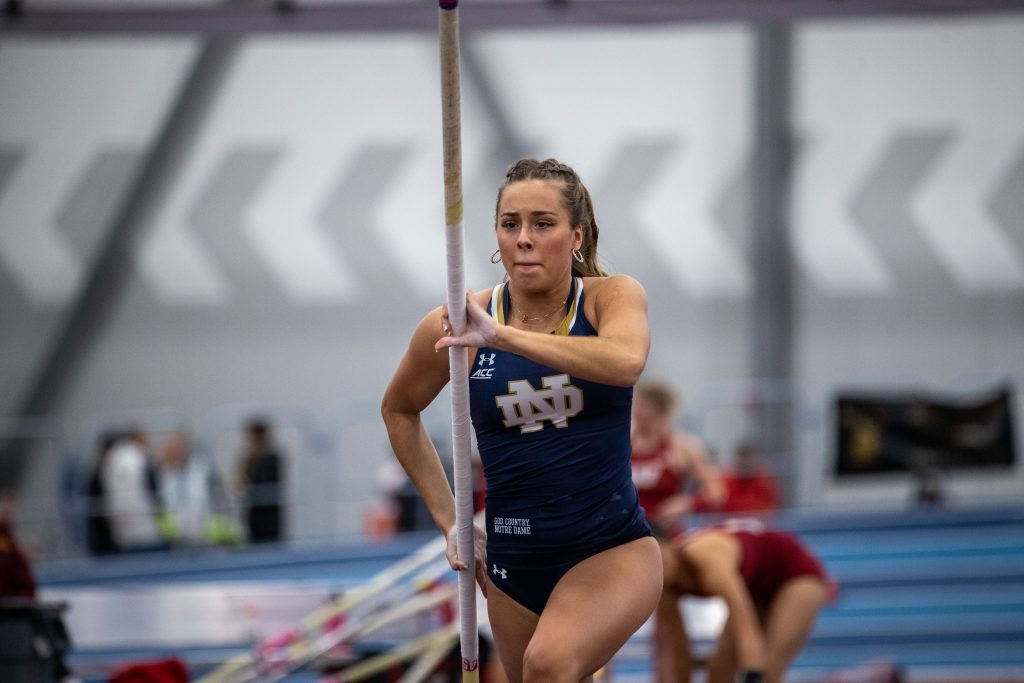
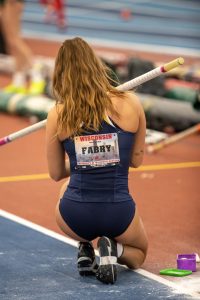
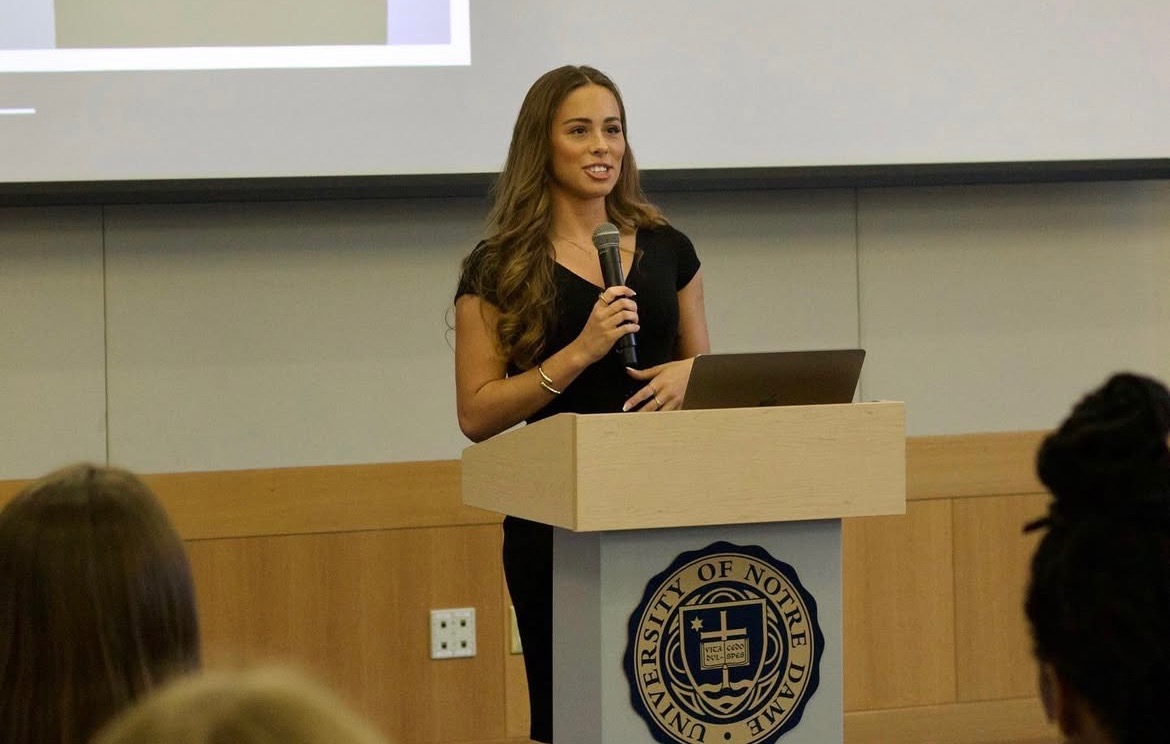
In this candid conversation, former collegiate pole vaulter Olivia Fabry opens up to Player Support Services Co-Founder JJ Weber about her athletic journey from a youth athlete to becoming a six-time high school state champion pole vaulter, then a Division I athlete at Notre Dame. Fabry shares how she navigated major setbacks, including the COVID-19 pandemic, her father’s near-fatal illness, and chronic injury, all while redefining success beyond the bar. Now thriving as a content creator and advocate for athlete wellness, Olivia reflects on identity, pressure in the NIL era, and the importance of preparing for life after sport. Her story is a powerful reminder that the greatest victories often come off the field.


JJW: Hi Olivia, could you tell me a little about your athletic career? What other sports have you played?

FABRY: I’m from De Pere, Wisconsin, a suburb outside of Green Bay.

Gymnastics was my first sport. I started when I was very young. I did gymnastics for about 10 years, and then my parents made me quit because I didn’t have a gymnastics team in my high school. I spent about 20-plus hours a week training when I was 12. My parents told me, ‘This is ridiculous. You’re never going to make any friends at your school. You’re putting too much pressure on yourself.’ I actually won a random all-around national championship in gymnastics when I was younger.

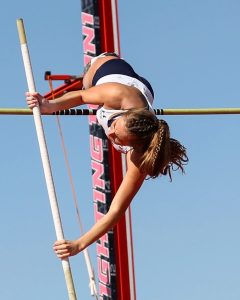
Then, I moved on to pole vaulting heading into my freshman year of high school. I always joke with my parents that I was better at gymnastics than pole vaulting.

I was looking for a sport similar to gymnastics, but I didn’t really know what I wanted. I liked the individual aspect of sport. I played club volleyball for a little while, but the coach had me playing as a middle hitter. I’m 5 feet 5, so it didn’t really work out for me in the long term. I think it was fine on JV, but we would have some meets against varsity teams where their middle would be 6 feet 4 inches, and there was just no way I was blocking them at the net. So, eventually, I quit volleyball and started focusing mainly on track. Going into my freshman year of high school, I started pole vaulting at a club in Green Bay. It was a small club, maybe like 10 or 11 people at the time.

My high school didn’t have an official coach, so my club coach was coaching at my high school for a while. Since it was seen as a conflict of interest, he was no longer allowed to. So, my dad became my high school coach, despite having no prior pole-vaulting knowledge.

We always joke because I ended up winning states six times, indoor and outdoor, in high school, so he’s like the winningest coach of all time. It was awesome for my dad and me to have that.

In high school, I ran a lot too. When I attended the University of Notre Dame, I stopped running and just focused on pole vaulting. I stayed for five years, which included the COVID year, so I was able to continue my education for my master’s degree.

I never quite reached the heights I wanted to vault, but I don’t regret my time at Notre Dame because I feel like I grew so much as a person. I had a lot of fun competing at the ACC level. Last year, I was nominated for Female Athlete of the Year at the NIL Summit, which was awesome. But, so were people like Caitlin Clark. I was just happy to be in the conversation.


JJW: What was it like having your dad as a coach?
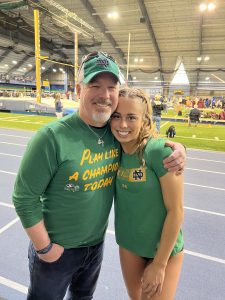
FABRY: It was so awesome. Looking back, I miss it. It is such a good memory for us to share. But I will say that it was tough. You can’t escape your coach when he’s your dad. He knows what you’re eating, how much you’re sleeping, what you’re doing on the weekends, and when you are skipping all the extra training you’re supposed to be doing at home.

But yeah, it was awesome. I remember we had a very emotional moment during my high school senior year after outdoor states. I won states, and we were celebrating, then we realized that was our last coach-daughter moment. I was balling at the track.
JJW: You said you didn’t vault the height you wanted to achieve. What were some of the obstacles that may have held you back?

FABRY: I wanted something closer to 13’ 6” – 14’. My highest ever was 13’1”.

My freshman year was the COVID outbreak. After I competed at ACCs, we went home for a long time. In Wisconsin, football fields are shut down during the winter, so you can’t really train at all, whereas someone from Miami can go home and continue practicing.

So I took 6-7 months off, and then, in the summer, I was able to run and work out again. But I couldn’t pole vault for a long time. During my sophomore year, my dad became really sick with COVID. He almost died. He was on a ventilator. He fell into a coma, and the doctors basically told us he wasn’t going to wake up. They were having conversations with my mom, telling her it was almost time to give up.

She didn’t because she’s like God’s strongest soldier ever. I was going home pretty much every weekend. My focus was not at all on track or school. I struggled with track and classes, which went on for another six months in my sophomore year. My whole freshman and sophomore years were challenging. In my junior year, I was focused on my classes, not much on track, which hurt my athletic performance.

Still, I wouldn’t change any of those experiences.

Another factor is that Notre Dame is a big distance running program, so we don’t have as many athletes in the field events. There aren’t many athletes to push you in practice. My freshman year started with four girls and four guys on the pole-vaulting squad. When I was a fifth-year senior, there was just me and one guy.

So, my career didn’t go as planned. When I was in high school, I really believed I would be going to the Olympics. However, like I said before, I would never trade my experience.

OF1


JJW: I think many high school kids believe they will compete in the Olympics, which is why it is so devastating for them. They eat, sleep, and breathe their sport; everything they do revolves around it. If you ask them to describe who they are, they usually define themselves by their sport. Their identity is often completely tied to what they do.

Did pole vaulting open up any doors for you outside of sport?

FABRY: Yeah, definitely. For me, right now, my primary source of income is social media.

Pole vaulting opened that big NIL door for me, which continued into my athletic retirement. I’ve had deals with Under Armour and worked with fashion brands like Steve Madden. I’ve had all these awesome opportunities that I would have never had without being a collegiate athlete.

That’s what pole vault has done for me. I met the greatest people ever at Notre Dame. I’m casually friends with first-round WNBA draft picks, first-round NFL draft picks, many Olympians, and national champions, such as our lacrosse team, which has won the title two years in a row. You meet a lot of people being an athlete at Notre Dame. Now, I have all these great connections, people I can call friends, mentors that I know will follow me throughout the rest of my life. It’s something that I also wouldn’t trade.


JJW: Competing at the level you achieved is impressive, especially since you and your dad had to learn the sport together in high school.

 What is the strongest quality that has helped you achieve success? Is it motivation or a particular mindset that has contributed to your achievements?

FABRY: I think it’s cliche, but I hate losing more than I love winning. I couldn’t stand it when someone beat me. When you get to the college level, it’s a little different because everyone hates losing. It motivated me a lot.

I’m a first-generation college student, and my parents sacrificed a lot. My dad sacrificed a lot of time. My mom sacrificed so much for me to compete in sports and attend college that I often felt like I was doing it for something a little bigger than myself.

Also, I was trying to set a good example for my little sister, who I knew wanted to compete in track in college. That was my biggest motivation: it wasn’t just for me.


JJW: That’s pretty interesting. Did you put more pressure on yourself because you were competing for others, not just for yourself?

FABRY: Not after a while. I kind of stopped having high expectations. I was struggling with pole vaulting a lot. Part of the reason I stayed for my 5th year was that I was doing well mentally and physically. I was thinking, ‘I’m staying for my master’s. My grades are good. I want to give it all I’ve got this year and just see what I can accomplish.’

Now that I’m out of college, I realize there’s much more to life than my pole vaulting career. Unfortunately, I think that is a difficult realization for many athletes. I felt lucky to be at Notre Dame. My coach and his wife were great mentors for me. He was very good at reminding all the athletes that this is just track and field. At the end of the day, we’re not saving lives.

I know there are so many more important things. It was very meaningful to me to have a coach like that, especially given the circumstances with my dad. My coach always checked in with us as people first. I think a lot of Division One athletes do not have that from a coach.
JJW: Athletes can become overly focused on sport. However, sports can teach you a lot about life, such as how to stay motivated, set goals, and communicate with others. These are skills that can be applied to other areas of your life. What is your perspective on sports?

FABRY: Notre Dame did a great job with that. They have a program called Life After Notre Dame, which was started because there were about 10 suicides in 12 years among former Notre Dame football players. It’s like when you finish football, you don’t know what else there is for you. It’s a horrible statistic, but now they’re trying to support athletes in a way similar to what Player Support Services is doing.

I used to place nearly my entire identity into pole vaulting, but I’m grateful that I changed that perspective while I was still in college.


JJW: You mentioned the obstacles you encountered, including COVID-19, limited access to practice, and your father’s health issues. Were there any other obstacles you faced as a student-athlete?

FABRY: For one, I have the world’s worst left hamstring. I don’t know what’s wrong with it. I would pull or tear my hamstring all the time. I was stuck in this constant loop. My left hamstring was my jump leg, so I needed it to be strong, but it affected my training because it was so weak.

In the weight room, I would do one set of Romanian Deadlifts with no weight on the bar, and I’d be sore for two weeks and couldn’t train. It was a battle of trying to decide if I should strengthen it at all. If I don’t, it will continue to weaken during the season.

Sometimes, I couldn’t train the whole week but felt it was good enough to jump at the next meet. It was super frustrating because I never felt I was 100 percent or improving because of my dumb hamstring.

Even though I didn’t go as far as I wanted to in my sport, it was the biggest blessing for me and helped me a lot in the long run.

It taught me not to base my self-worth on pole vaulting. It taught me that I’m more than just an athlete. As I mentioned earlier, most athletes don’t have that realization. It prepared me to be a more well-rounded person and not get so caught up in stats.

After I came to this realization, it was much easier for me to manage a loss or poor performance. I would think, ‘I’m going to live this long life without pole vaulting. It’ll be okay. It’ll be part of my story, but it’s not who I am.’
 

JJW: What does success mean to you?

FABRY: For me, it means being a well-rounded person, using my skills that I’ve learned at Notre Dame and my time as an athlete to help me throughout the rest of my life.

I want to be involved with helping people and being a big part of someone’s journey. For me, success would be spreading love as much as I can, which may sound corny. It’s what I experienced from my coach at school. The greatest people who impacted my story were the ones who wanted to make sure I was okay every day. I hope that I can be like that person for other people.


JJW: What do you think is the most daunting challenge for athletes nowadays?

FABRY: I would say stress and pressure management. In the growing era of NIL, it’s even more stressful for athletes. Not only are you supposed to be the best at your sport, but you also have to post on social media and run your own business. Some athletes are managing millions of dollars at 18 years old. You have to make yourself available for the media while being available for your team. At the end of the day, these are 18 and 19-year-old kids who are just trying to play their sport.  The biggest challenge today is the pressure from every area of your life, and to be constantly on.

Another source of stress comes from the number of people betting on sports and posting negative comments on social media. Some of my friends, who play basketball and football, received death threats in their Instagram messages from grown men when they were freshmen and sophomores. That takes a significant toll on someone. I think those stressors are the biggest challenges today.


JJW: What advice would you give to an athlete today?

FABRY: I would tell them your sport is just one chapter of your story. No matter how good you are, your sports career will eventually come to an end. So start thinking early about what you want the rest of your story to be. Take advantage of opportunities. Grow your network. Explore other interests and invest in yourself.

I feel that was my biggest wake-up call. Someone asked me on a podcast, ‘What do you do in college? What are your hobbies?’ I said, ‘I didn’t know. I guess pole vaulting.’ They said, ‘That’s not a hobby; that’s what you do all the time.’

My advice is to find other things that you genuinely enjoy doing. It can’t just be watching TV or playing video games. Find things that you like to do and invest in those things as much as you can.

Also, athletes need to be much more aware of their mental health. I believe everyone should take advantage of sports psychology services. Take advantage of your resources. Give yourself space to rest. And remember, your mental well-being and yourself outside of sports are just as important as your athletic self.

Screenshot


Conclusion:

Olivia Fabry’s story is a testament to the power of resilience, self-awareness, and redefining identity beyond athletic performance. Her journey mirrors the mission of Player Support Services—to guide athletes through the pressures of competition, the challenges of transition, and the realities of life beyond sport.

Whether it’s navigating mental health concerns, building post-sport careers, or fostering healthy identities outside of sports, PSS provides the kind of holistic support that is essential. By offering mentorship, psychological resources, and personal development tools, Player Support Services ensures that athletes are seen not just as competitors but as whole people with stories worth telling and futures worth building.

Visit our website (www.player-support.com) to explore our comprehensive range of well-being services and discover how we can support your journey.

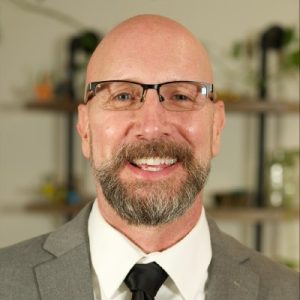
 

JJ Weber is a Co-Founder of Player Support Services and the Director of Sports and Injury Psychology. For questions about this article or our offerings, contact JJ: joe@player-support.com

Share Now :

Leave A Comment Cancel reply

Our Partners

123.-24
123.-01
123.-02
123.-30
123.-06
123.-05
123.-10
123.-27
123.-04
123.-09
new 2
new 3
123.-03
123.-12
-03
-01
images-16
Spancer_pROJECT...hhfd-11
123.-07
123.-08
123.-14
new 5
10-removebg-preview
new 4
images-22
images-21
123.-16
images-20
new 6
new 7
Spancer_546456dsf_22_copy_2-removebg-preview
Spancer_546456dsf_22_copy-removebg-preview
Spancer_546456dsf_22_copy_3-removebg-preview
Player Support Services Ltd continues offering our unrivalled range of services for athletes and sports organizations.
Instagram Linkedin

Services

  • Athlete Profiling
  • Branding
  • Business Development
  • Career Transition Coaching
  • Family Support
  • View All

Useful Links

  • About Us
  • Services
  • Our Blog
  • Memberships
  • My Account/Login
  • Contact

About Us

Confidentiality – We protect the interests and identities of our clients.

Copyright © 2026 Player-Support. All Rights Reserved.