
JJW: Could you briefly share a bit about your athletic career?
NELSON: I played multiple sports growing up: basketball, football, and baseball. I was always doing some sport or activity. I pretty much played sports year-round. Once I turned 10 years old, I started playing travel ball. When I went to high school, things kind of filtered into baseball.
JJW: Where did you play after high school?
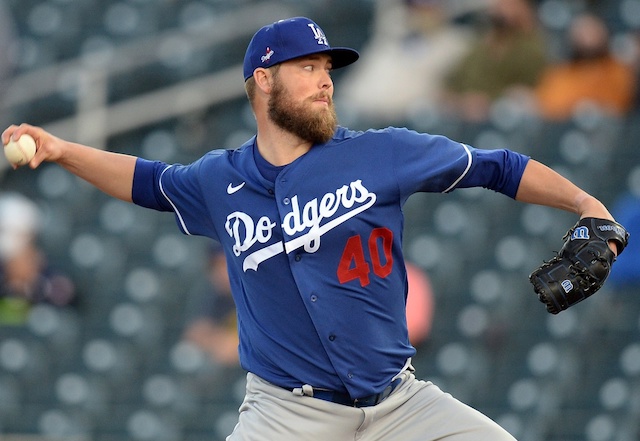
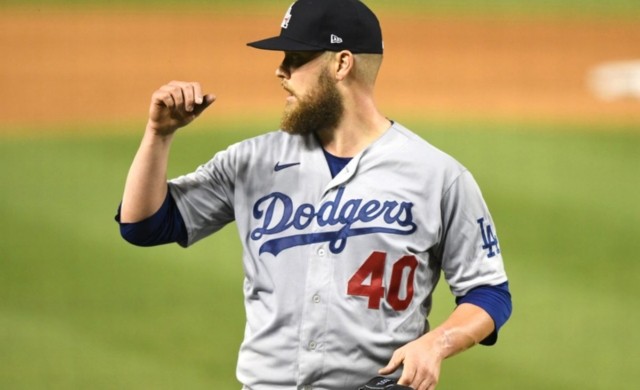
NELSON: I played college ball at the University of Alabama for three years. Then, I was drafted by the Milwaukee Brewers and signed with them in 2010. In 2013, I made it to the big leagues with the Brewers. I was with them through 2019 for about 10 seasons. Then, I signed with the Los Angeles Dodgers in 2019-2020 and pitched for them for four seasons.

JJW: What do you think was your greatest athletic achievement?
NELSON: Looking back, it was the length of time I was able to stick around at the big-league level. The last half of my career, I dealt with a lot of injuries and missed a lot of playing time.
I am proud of the longevity of my career. It’s really hard to stay up there at the highest level. So that’s my proudest achievement.
JJW: What injuries did you face during your career?
NELSON: I definitely had a lot: plantar fasciitis & rupture, traumatic brain injury, full anterior labrum tear, Hill-Sachs lesion, complete rotator cuff tear, complete shoulder capsule tear, shoulder debridement, bilateral lumbar spine fractures, thoracic surgery from pneumonia, UCL reconstruction, flexor repair and elbow debridement, bilateral core/sports hernia repairs, hip labrum and FAI repair, and adductor revision
A lot of the injuries required surgery with pretty intense recovery. I had shoulder surgery, Tommy John surgery, flexor tendon repair, removal of elbow bone chips, thoracic surgery, hip labrum surgery, hernia surgery, and core/groin revision surgery. I’ve had about 25-plus cortisone, joint lubricant, and platelet-rich plasma injections along the way. I’ve battled adversity throughout my career.
JJW: How long were you on the DL due to all those injuries?
NELSON: I’ve rehabbed for seven and a half, close to 8 years. I’m still rehabbing from my hip surgery, which I had about six months ago. So, I’m still working my way back from that. But I’ve taken a step back from playing for the moment, just to get the health right, you know, because it’s been one thing after the other. Just trying to break that chain.
JJW: I have worked with many injured athletes, and the most significant aspects I noticed were the loss of their athletic identity and difficulty transitioning out of sport. When sports are what an athlete has done for most of their life, it’s a heavy weight to process when they are out of commission. Is that something you experienced?
NELSON: That hasn’t really bothered me too much. I stayed really busy. I’ve got a few kids, and my wife’s starting her career back up. So I’ve been able to readjust my focus to things at home., And now I have started to coach. I still like to be active and do things. It’s not sitting at the house thinking about what could have been.
I think having a foundation of faith and knowing that things happen for a reason, no matter how unfortunate, has been important for me. I try to look at the positives that came from my tough times. Like I said earlier, the fact that I was able to stay in the big leagues for as long as I did was a tremendous accomplishment. I was super fortunate and grateful for that, even though there was a lot of pain, a lot of things that I had to endure.
JJW: Was being away from your teammates during rehabilitation difficult?
NELSON: Not really. I was always around teammates. Even when you are rehabbing, you’re just with other injured players. It’s just a different team dynamic. So, you kind of have teammates wherever you are. It’s just not on the field at times.
JJW: When a new injury occurred, did you ever have the feeling, “Oh no, not this again?”
NELSON: Oh yeah, it happens all the time for me. It was like a chain reaction.
A lot of times, a new injury would happen from overcompensation. Sometimes, it would be a re-injury, and other times, a new injury. Just one part of the body is taking more stress and trying to pick up the slack for the injured part. So, it was like a domino effect, just one after another.
You know, kind of like your Christmas tree lights. One light goes out, and the whole strand goes. It’s that chain of injuries I had during the last year and a half. I’m trying to take a step back and take a break from the repetitive injuries.
JJW: One thing that happens to injured athletes when attempting to re-enter sport is the “bracing effect.” Injured athletes often hold tension in the injured body part, which can lead to re-injury.
NELSON: It’s tough when you have surgery, too. When you have surgery and the doctors are cutting you open, going through a lot of tissue, muscle, ligaments, tendons, and cartilage, that structure might never be the same again.
The way you felt or moved before surgery is different after the surgery. Even when you are 100% cleared to play, you’re not 100% healthy because that tissue has just been cut through. It’s just different, so you have to learn what your body’s new normal is. You have to adapt. Whether it’s movement, mechanics, training, or recovery techniques, you have to adapt.
JJW:. Did you have a sports psychologist with the team?
NELSON: Yeah, we did with Milwaukee and with LA.
JJW: I know a lot of players don’t want to talk to a sports psychologist for fear that those conversations may be shared with the organization.
NELSON: Yeah, you hear that sometimes. In Milwaukee, I really leaned on our sports psychologist. After that, I bounced around and didn’t stay in one place long enough to work with one person.
In a weird way, the people you are around most, whether the trainers, strength conditioning coaches, or your pitching coaches, are the people you lean on a lot. They see a lot of scenarios, and they’re there throughout the whole rehab process. They’ve done it a million times before with other players.
They’ve seen the mental ebbs and flows and the ups and downs players go through. Even though they’re not licensed psychologists, they’re good resources to help you stay on the rails and be realistic throughout the process.
It’s also availability, too. You see the trainers every day while you’re getting treatment. You talk to them every day. During those conversations, a trust is built over a period of time. Once you know you can trust somebody, then you can lean on that person for advice or to just vent.
JJW: Did you ever fear that you would be released due to being unavailable because of the injuries?
NELSON: Kind of. But it was no different than the majority of my 14-year career. Almost every year, I was on a one-year contract. I was basically pitching every year for a new contract.
So, there were a lot of injuries I pitched through for the better part of my career. I would say probably the six to seven years of my career. From 2017 on, I was pitching through some kind of serious injury. You do what you have to do to compete and stay healthy enough to go out there, pitch, and have good stuff.
It’s really difficult because there are times when you feel like, ‘OK, if I take a step back from the game and try to get healthy or say something about this injury, my spot might get filled and I will get lost in the shuffle.’ It’s like you are trying to keep your head above water as long as possible. That’s why I was saying that I was fortunate enough to hang around during the last six years of my career.
I was very grateful for the opportunity, especially from the Dodgers. They gave me multiple chances towards the end of my career. You’re just doing what you can to get a job every year. Honestly, it’s just a very cutthroat business, and there are a lot of guys who want your spot. Knowing there are a lot of guys fighting for just a few spots, you do what you can and put your body through a lot of things. You tell yourself, ‘I’ll just deal with this later on the back end.’ So now I’m at that time where I’m dealing with the repercussions of what I put my body through for the last couple of decades.
JJW: Did you know what you wanted to do after your career?
NELSON: Not really., I’m still trying to figure it out. I’m doing some coaching now. I really enjoy the coaching side of it. It may sound cliche, but I still love the game and helping players.
I feel like I’ve experienced a lot of different things. I really would like to use my experience to help other players who are rehabbing, maybe like a rehab pitching coordinator, rehab pitching coach, or something similar. I want to use my experience because injuries are not just physical; there are a lot of mental things that require attention.
Once people know the stuff you’ve been through, it adds to your resume and credibility.
JJW: How has this affected your wife, who is going through the injury experience along with you?
NELSON: Yeah, that’s huge. I think that all gets often overlooked. I mean, your significant other has to go through it too, even though they’re not the one who is physically injured. They’re dealing with you on a daily basis, and by no means throughout those 7-8 years of rehab have I been the most pleasant person to be around.
The first 2-3 years were pretty rough for me, but I feel like the last few injuries and surgeries, I’ve been able to handle it a lot better.
Mentally, I’ve gotten better at not looking in the past as much as I used to, or saying, ‘what if’ and all that kind of stuff. Whereas that stuff used to be in my head, especially during some of the early injuries. But my wife had to go through it, too. I’m very thankful to my wife, Melissa, for enduring those tough times with me.
JJW: Did your wife have access to help or resources through the teams?
NELSON: Nothing similar to what was available to me. That’s probably an area that could be tapped into better in professional sports. Maybe making more resources available to families. The players have the resources available at our fingertips and are comfortable reaching out. Other than players’ wives and her family that she leans on, there’s not much else. However, being around people in a similar situation who understand can help significantly.
JJW: Not only do spouses share in the difficulties, but so do a player’s children. For example, it’s hard for children when a player is released or traded. Moving from state to state, starting a new school, leaving friends behind, kids need someone to talk with and process their feelings.
NELSON: Yeah, it’s just kind of the ripple effect. You know, that’s what stinks. Often, people think you’re this athlete who’s getting paid all this money, but when you go below that surface level, a lot of hardships happen. We’re normal people with kids and families. We have multiple mortgages because we have to move if we are traded or released. We have to live in one house for a few months, and then we have to live in another house for several months, and you never know when you might get traded. You can be injured, then suddenly released. There’s just no stability in it. Then, once your kids start sports, you miss a lot of events. You hardly see your family over the course of an 8-month stretch.
That’s really difficult for the families. So, in a way, I feel like right now, with my kids being school-aged, I’m able to spend a lot of time with them. It is kind of an ideal time to take a step back, take a breath, shift my mindset, get my health right, and spend time with my family.
JJW: With as many injuries as you dealt with, were you concerned financially? Were you able to budget and save money?
NELSON: That’s another thing that’s been a challenge, figuring out that budget. When you’re playing, you don’t really think about finances. You’re just so zoned in on playing, training, getting healthy, and doing what you have to do on the performance side.
Now that I’m transitioning out of baseball, I’m more aware of our finances. While you’re getting the money, you have to invest it properly. You need to have good people who you trust. People who you know are doing their job and educating you on the financial side, so you have a plan already set when you are done playing.
JJW: What advice would you give a collegiate player looking to be drafted?
NELSON: Just try to stay as humble as possible and soak in as much information as possible.
Nowadays, with all the tech, data, and analytics, they have all the information in the world. So, I would say try to be as open-minded as possible. There will be many different resources and tools to make you better as a player.
In addition, take advantage of the time and opportunities you receive and put in the work. Your career is a small window of time. It could be anywhere from one year to 20 years. You just don’t know. So, you’ve got to focus on making the most of that time.
Closing Thoughts
Jimmy Nelson’s journey is a powerful reminder that behind every athlete is a human being navigating uncertainty, adversity, and the relentless pursuit of purpose. His story illustrates how perseverance, adaptability, and personal and professional support are critical for longevity in sport and life beyond the game.

About Player Support Services
At Player Support Services, we know that an injury or a setback is never just about the body—it’s personal. It’s a tough, emotional journey that takes inner strength and the right support. That’s why we’re here. We offer personalized performance coaching, mental health counseling, injury recovery support, and career transition planning—all designed to help athletes come back stronger, both on and off the field.
Our team is passionate about helping athletes heal not just physically, but also rebuild their confidence, rediscover their identity, and create a future beyond sport. Whether you’re working through rehab or figuring out what’s next after competition, you don’t have to do it alone. We’re with you every step of the way.
Visit our website to explore our full range of well-being services and see how we can support your journey.

JJ Weber is a Co-Founder of Player Support Services and Director of Sports and Injury Psychology. For questions about this article or our offerings, contact JJ: joe@player-support.com