
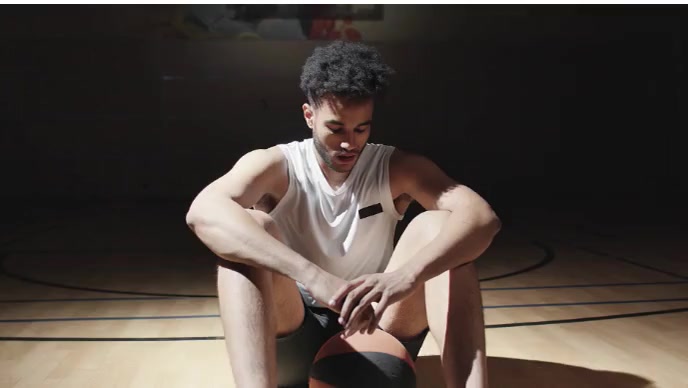
What happens when your athletic dreams go sideways?
Many professional and Olympic athletes dreamt of competing in the spotlight since they were kids. They envisioned playing in the World Cup, standing on the podium after winning Olympic gold, throwing the winning Super Bowl touchdown pass, nailing the final shot in the WNBA championships, or hitting a walk-off homerun in the playoffs.
Not only is the fame of professional sports alluring but so are the potential earnings associated with athletic success. Long-term deals and multi-million-dollar contracts have the power to transform lives, opening doors to financial security and unprecedented opportunities.
However, like Notorious B.I.G. said in his song, Mo Money, Mo Problems, “It’s like the more money we come across, the more problems we see.”

The problems and challenges of being a professional athlete are numerous, unforeseen, and often unexpected, such as:
Feeling like a Commodity – At any moment, an organization can trade or release a player with little to no warning. Athletes are left scrambling to figure out their next steps on their own.
Mental Health Concerns – Dealing with physical pain is difficult, but dealing with emotional pain can be excruciating and is often ignored. Unfortunately, the stigma of mental health issues still exists. Many athletes avoid seeking professional help because they fear it will be interpreted as a weakness.
Life Off the Field – Many athletes define themselves in narrow terms. Their identity is tied to the sport they play. As a result, athletes have difficulty finding self-worth outside of sport, which sometimes causes their sense of self, personal relationships, and family life to suffer when not competing.
The Trappings of Fame – Being famous indeed comes with perks and privileges, but it is also accompanied by challenges and pressures that may not be immediately apparent. Athletes are constantly scrutinized. Every word and action is analyzed, dissected, and criticized. One slip-up can significantly affect their brand, sponsorships, merchandising, and endorsement deals. In addition, the lack of privacy affects the athlete’s family, causing simple social outings or vacations to become stressful.
Financial Leeches – Countless stories exist of athletes being ripped off by corrupt so-called “professionals.” Finding trusted, reputable, and confidential professionals, agents, business partners, and financial advisors is not an easy task. When an athlete is scammed, there is often little legal recourse to recoup their funds.
Long-Term Physical Health – Athletes put their bodies through hell and deal with pain and injury issues daily. Sometimes, athletes try to hide their injuries for fear of being cut or losing their role on the team. Other times, there is an implied pressure to compete while injured. This lifestyle can affect athletes for the rest of their lives, including their cognitive ability and physical mobility. For those reasons, addiction to alcohol and prescription drugs becomes an ever-present temptation.
It’s not enough to just prepare for athletic success. Athletes need to be prepared for potential adversity that can affect overall well-being, family life, financial security, and life after sport.
Take, for instance, former professional basketball player Larry Sanders. Sanders chose to leave Virginia Commonwealth University as a junior and was drafted No. 15 overall by the Milwaukee Bucks in the 2010 NBA Draft. Following a career year in 2013, Sanders signed a four-year, $44 million contract extension. Sanders was seemingly set for life. However, after violating the league’s drug policy for smoking marijuana, Sanders retired in 2015. In 2017, Sanders made a brief comeback for the Cleveland Cavaliers but again retired after only appearing in five games.
Basketball was convenient due to Sanders’ size and ability. For Sanders, basketball was known and comfortable, but not necessarily his passion.
SANDERS: “I was tall, I was fast, you know, I had these attributes that were attractive and fit into the game. But a lot of it didn’t resonate with my soul, honestly. [In the NBA] I didn’t feel like a human. I felt more like a product in a lot of ways and very disposable. It weighed on my mental health.”
Unfortunately, Sanders is just one of many stories about the personal struggles of athletes.
Arming athletes with the proper tools, such as practical strategies, trusted resources, reputable professionals, and people who care, help athletes deal with the pressure of sports and the transition into retirement.
5 Tips to Deal with the Challenges of Being a Professional Athlete
Expect the Unexpected – Lucrative contracts and athletic careers do not last forever. At the drop of a hat, anything can change. Being mentally prepared can alleviate future anxiety.
Have a Plan – Start planning your future by doing something today. Identify your interests, strengths, assets, and trustworthy advisors that can help you advance your future goals.
Know your Triggers – Knowing what increases your stress level, elicits harmful emotions, or challenges your mental well-being will enable you to take action to resolve issues before they intensify.
Ask for Help – Most people may not know what you are going through. Therefore, reaching out for help is crucial for your physical and mental well-being. Allowing issues to fester magnifies personal challenges to overwhelming proportions.
Establish a Support System – No one is successful or fulfilled in this life without the help or support of others. A reliable, trustworthy, and confidential network is crucial to becoming who you want to be and what you want to accomplish.
For more information about Sports Psychology, career transition coaching, wealth management, or the extensive services offered by Player Support Services, contact us at info@player-support.com