
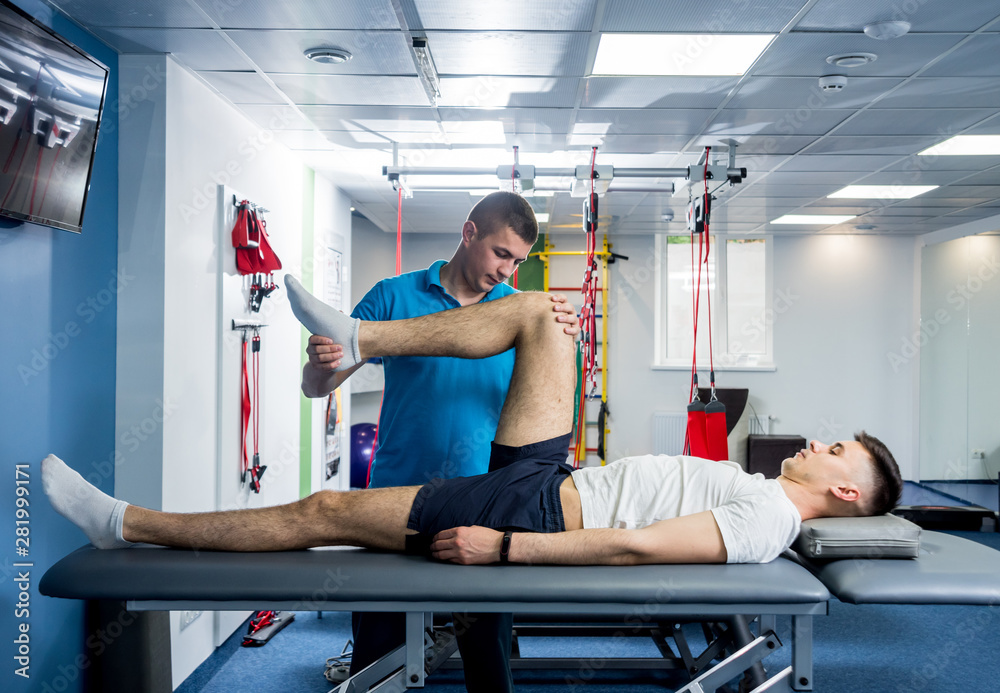
Who are you? Ask athletes that question, and they will respond by telling you what they do, “I am a tennis player,” “I am a footballer,” “I am a golfer,”
Athletes usually define themselves by their sport. Their identity is tied to what they do, not who they are.
When an athlete defines themselves in narrow terms, adversity, such as injury, cuts at the fiber of their being. Suppose the hardship is a career-ending injury. The athlete often feels devastated, overwhelmed, and alone. Unfortunately, injuries are a common occurrence. Managing physical, emotional, and mental anguish is crucial for an athlete’s well-being.

Injury Research
In a 2019 study, Sports injury and illness incidence in the PyeongChang 2018 Olympic Winter Games, researchers studied the number of illnesses and injuries of 2914 athletes from 92 countries participating in the 2018 Winter Olympics. The objective was to indicate the incidence of injuries and illnesses sustained during the XXIII Olympic Winter Games.
As reported by medical staff, the results revealed 376 injuries and 279 illnesses, equaling 12.6 injuries and 9.4 illnesses per 100 athletes over the course of the Games.
Of the 376 injuries recorded, 33% of the athletes missed one day of participation, and approximately 13% missed up to 7 days of sports participation.
Olympic athletes dedicate their lives to one goal. An injury preventing an athlete from competing at less than 100 percent is a hardship that, for most people, is unimaginable.
Degrees of Injury
Not all injuries are alike. Injuries have varying degrees, such as nagging, serious, requiring surgery, season-ending, and career-ending injuries. Likewise, not all athletes respond to injuries in the same manner.
No matter the seriousness of an injury, athletes interpret their injury according to their circumstances. A sprained ankle in the preseason is probably not as devastating as if it was a playoff game. A quarterback with a strained ligament in a finger is more daunting than a placekicker with the same injury. And a bone contusion is minor for some athletes, while others feel the world has conspired against them. However, all athletes can mutually agree that season-ending injuries and career-ending injuries tear at the foundational identity of an athlete.
5 Stages of Grieving Serious Sports Injuries
In her 1969 book, Elisabeth Kübler-Ross, a Swiss-American psychiatrist, published “On Death and Dying,” which examined the five most common emotional reactions to loss. Kübler-Ross’ 5 Stages of Grief Model, processing significant losses follows a similar path. This model can be applied to season-ending and career-ending athletic injuries as well.
• Stage 1: Denial
Denial helps us minimize the overwhelming pain of loss. Injury can open the floodgates of intense negative emotions. Denial attempts to reduce the initial flood and emotional impact of an injury.
• Stage 2: Anger
Anger is the way injured athletes start to release their emotions. Instead of suppressing emotions, anger helps bring emotions to the surface. Initially, anger is a healthy emotional outlet if managed appropriately.
• Stage 3: Bargaining
Bargaining is an attempt by the athlete to regain control. Sometimes, athletes seek to bargain with a higher power. Nonetheless, the bargaining stage is an attempt to cope with their situation.
• Stage 4: Depression
Depression is the stage where an athlete begins to look at the reality of their circumstances. Deep sadness replaces the initial panic response of an athlete. Depression is normal and a part of the process. However, when this stage becomes overwhelming, athletes should seek professional counseling.
• Stage 5: Acceptance
Acceptance is when an athlete recognizes the reality of the situation. The loss may still sting, but the focus is on “What’s next.” Acceptance is the point where an athlete can begin to envision or plan their next step.
Points to Ponder
Athletes should consider the following proactive suggestions early in their careers.
A network is a trusted group of people who can provide practical or emotional support. Support teams help reduce stress, process emotions, brainstorm solutions, boost motivation, and push you in a positive direction when necessary. Healthy support systems often include coaches, managers, teammates, physical therapists, athletic trainers, sports psychologists, mental health professionals, trusted friends, family, and trained sports professionals.
You are more than what you do. You have unique skills, positive qualities, strengths, and capabilities. You are more than an athlete. You are a friend, spouse, family member, entrepreneur, hobbyist, volunteer, support member, role model, etc. Knowing who you are expands your vision and helps you find your passion and purpose.
While the injury may be the end of the season or a career, it is not the end of the world. The thought of a life beyond sport is stressful. However, a new phase in life can be exciting, freeing, and empowering. New prospects exist. You have the opportunity to pursue something you always wanted to do but didn’t have the time. It’s time to forge a new path!
“Injury taught me I need to learn how to face challenges.” ~Shawn Johnson (Olympic Gymnast)