

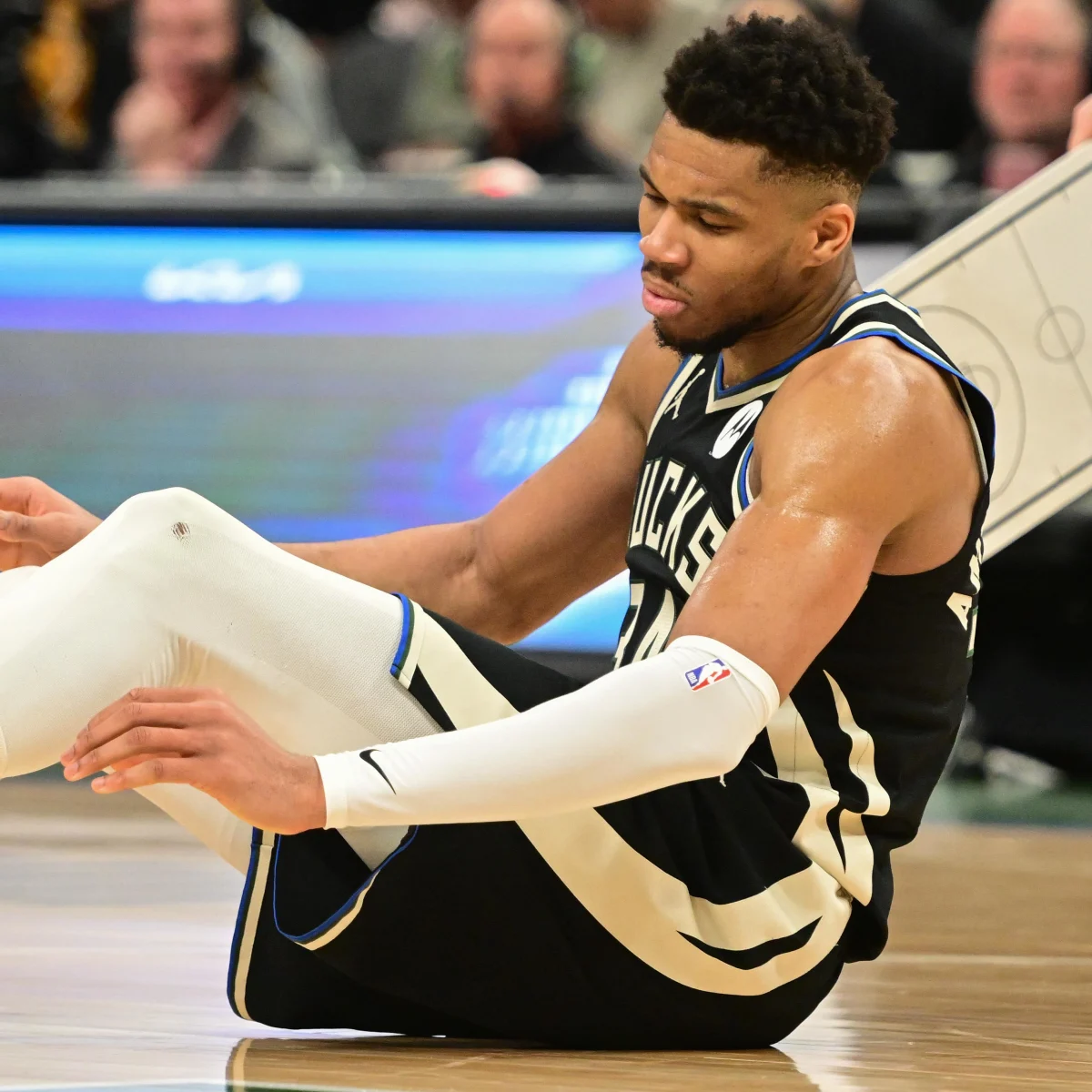
The Hidden Toll of Heroic Moments
Athletes are conditioned to equate greatness with toughness. Playing hurt is often celebrated as a badge of honor, but it can have serious consequences: chronic physical problems, early retirement, decreased earning potential, hampered athletic performance, and the inability to participate in future family outings.
In the heat of competition, athletes face immense internal and external pressures to avoid disappointing their teammates, honor perceived contractual obligations, and meet the expectations of millions of fans. However, behind every “heroic” performance lies a complex risk-reward calculation that can alter the course of a career and the quality of life long after the crowd stops cheering.
When Mental Toughness Meets Physical Limits
The decision to play through injury is not just physical; it’s deeply psychological. Athletes fear being seen as weak, losing their status on the team, or failing to live up to some unspoken warrior ideal.
Understanding psychological pressures is just the beginning. Athletes thrive when they have a caring, supportive network to help them through tough decisions. By blending their performance goals with expert advice, athletes can more easily find a healthy balance between immediate desires and their long-term health and success.
Playing through pain might feel like the right move in the moment, but without informed, objective guidance, it can lead to lasting physical damage and emotional strain.

Every athlete must learn to balance courage with caution. The best competitors know that protecting their bodies is not a sign of weakness; it’s an investment in their future.
Giannis’s objectivity about his lingering pain is a reminder that an athlete’s well-being extends far beyond the game. A championship ring can never replace a healthy body or peace of mind.
Giannis Antetokounmpo’s story is a powerful lesson for the next generation. Success in sport should not come at the expense of lifelong pain.
Supporting the Whole Athlete
Player Support Services’ Six Pillars of Athlete Well-Being emphasize comprehensive well-being, helping athletes sustain performance while protecting their mental, emotional, physical, and financial health. PSS supports and guides athletes and their families in making informed choices that honor both their ambitions and their long-term well-being.
At Player Support Services, we believe in helping athletes win on the court—and in life—long after the final whistle blows.

For more information about Player Support Services, addiction counseling, or to schedule a meeting, email JJ Weber, M.Ed.: joe@player-support.com

JJ is a Co-Founder of Player Support Services and a sports psychology specialist with 20 years of experience working with professional and Olympic athletes worldwide. JJ focuses on athletic peak performance, injury recovery, and holistic well-being on and off the field.