

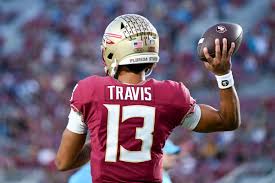
TRAVIS: “On November 18th, 2023, my life and career took an unexpected turn. I gave everything I had to the rehab process, but despite my efforts, my leg never responded the way we hoped.
After much prayer and consultation with my doctors and medical team, I have been medically advised to retire from the game I love so deeply… It is crazy how fast life can change. This is not the ending I had ever imagined.”
Some athletes are ready for the moment their athletic career ends. They’ve pursued education, built networks, tended to their brand, set up foundations, created a business plan, or developed interests outside of sport. Others are caught off guard. The structure that once gave their life meaning disappears. The identity they built around performance and discipline feels lost. Without preparation, that transition can be jarring.
But it doesn’t have to be.
Taking time to envision your future is not about abandoning your present or de-emphasizing competing; it’s about expanding your sense of purpose. Maybe you see yourself coaching, mentoring young athletes, starting a business, or advocating for mental health in sports. Perhaps you’ll pursue a new degree, work in media, or form a foundation that gives back to your community. Whatever your dream, the path begins with asking: Who do I want to become when I move on from being an athlete?
Thinking ten years ahead brings clarity. It helps you recognize what skills you still need, what connections to build, and what interests to foster. Vision and planning prepare you for life after sport and bring stability and peace of mind to your family, helping them navigate the transition along with you. It allows you to shape your identity beyond the scoreboard and prepare for the next chapter with confidence, not fear.


Our 6 Pillars of Athlete Well-Being: Performance, Physical, Mental/ Emotional, Financial, Family, and Post-Career offer additional support and resources to athletes, ensuring they thrive in every area of life. In other words, your concerns are our concerns. We are committed to helping athletes become the best versions of themselves. That is our goal. That is our promise!

JJ Weber, M.Ed., is a Co-Founder of Player Support Services and Director of Sports and Injury Psychology with over two decades of experience working with professional, Olympic, and elite athletes. If you have any questions about Player Support Services or how to become a member, email JJ Weber, M.Ed., at joe@player-support.com.