• Home
  • About Us
    • Our Story
    • The 6 Pillars of Well-Being
  • Governance Assurance
  • Services
  • Memberships
    • Athlete Well-Being Membership
    • White-Label Athlete Wellbeing Solutions
    • Rugby Match Official Well-Being Membership
    • Football Agents’ Affiliate Membership
  • Ambassadors
  • Testimonials
  • Resources
    • Leadership and Forming Elite Cultures
    • Red Card Gambling Support
    • Crossover Employment Platform
    • First Tee Resource
    • Inscout Network
  • Media
    • Blog
    • News
    • Interviews
    • Podcasts
  • Home
  • About Us
    • Our Story
    • The 6 Pillars of Well-Being
  • Governance Assurance
  • Services
  • Memberships
    • Athlete Well-Being Membership
    • White-Label Athlete Wellbeing Solutions
    • Rugby Match Official Well-Being Membership
    • Football Agents’ Affiliate Membership
  • Ambassadors
  • Testimonials
  • Resources
    • Leadership and Forming Elite Cultures
    • Red Card Gambling Support
    • Crossover Employment Platform
    • First Tee Resource
    • Inscout Network
  • Media
    • Blog
    • News
    • Interviews
    • Podcasts
Contact Us

The Olympic Paradox: The Thrill of Victory and the Agony of Defeat

  • JJ Weber M.Ed
  • August 17, 2024
  • Blog Post

Imagine putting your career on hold for four years—not for leisure or traveling the world, but for relentless training, meager compensation, profound personal sacrifice, and pushing your body and mind to the brink.

This is an Olympian’s path.

The Olympic Games are hailed as a display of human potential, a celebration of athletic excellence, and the pinnacle of commitment and dedication.

Becoming an Olympian is a monumental achievement, a feat accomplished by a tiny portion of the world’s population.

The pomp and circumstances surrounding the Olympic Games may seem an enviable position to onlookers. With the ceremonies, press, and TV coverage, many kids dream of representing their countries on the World Stage.

However, Olympians are under intense pressure and stress to perform. The expectations of a nation, coupled with more than 30 million people watching worldwide, can create a perfect storm of emotional turmoil for athletes who fall short of their goals.

At the 2024 Paris Olympics, 11,215 registered athletes from 206 National Olympic Committees and the IOC Refugee Olympic Team competed in 39 sports (329 events) to showcase their athleticism and mental fortitude.

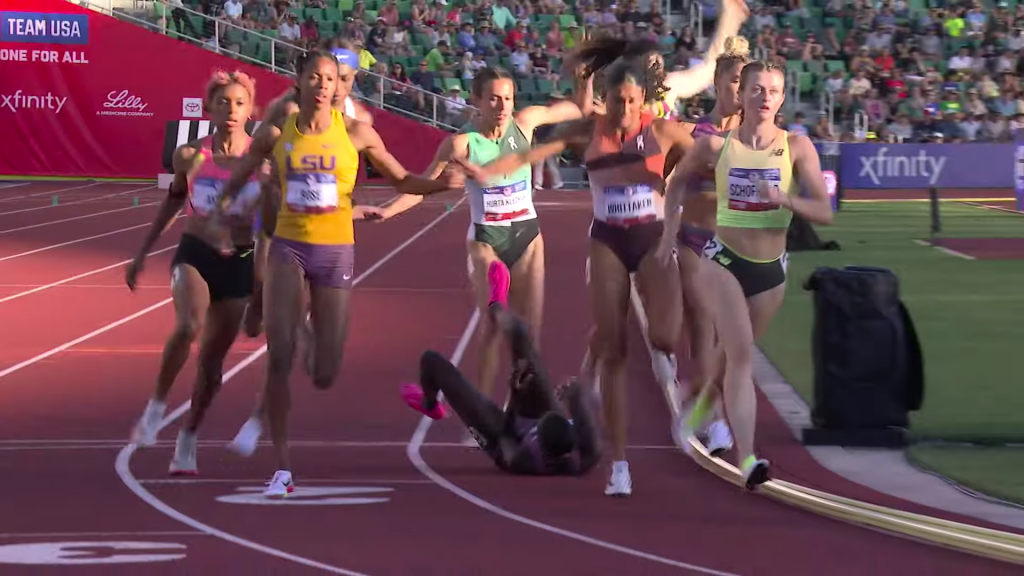
Unfortunately, for every Olympic medalist, many more athletes fall short of their Olympic goal by inches, tenths of seconds, or 1-2 points. Substantially more complex, some athletes’ dreams were upended due to a DQ, DNF, trip, bobble, or minor mistake, and those athletes will live with that memory for the rest of their lives.

The psychological impact of a poor showing, falling short of athletic goals, or losing at the Olympics can devastate athletes who dedicated their lives to a singular objective.

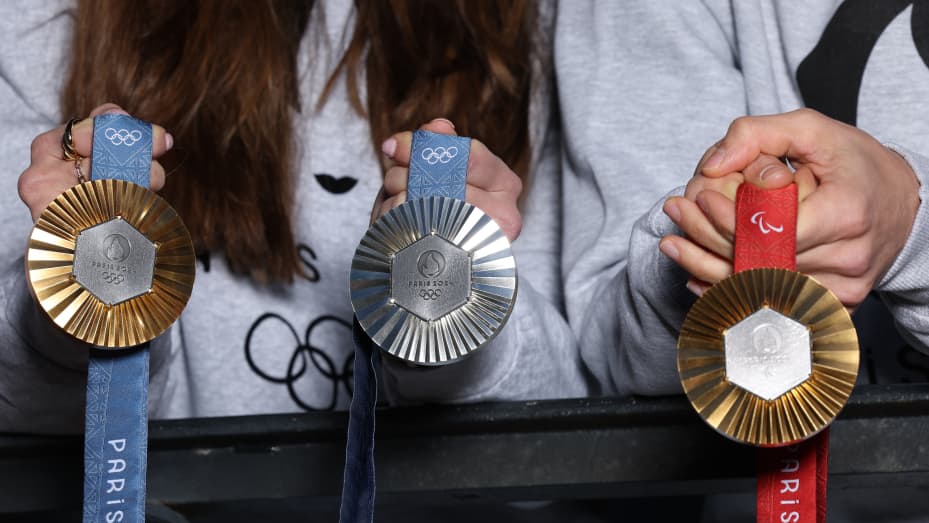
Gold-Medal

The public scrutiny, often harsh and unforgiving, can exacerbate these emotions, creating a toxic environment for athletes to recover. Many Olympians struggle with grief, shame, depression, anxiety, and even post-traumatic stress disorder (PTSD) after a disappointing performance.

Screenshot-2024-06-25-02.18.35-1024×576

An athlete’s self-worth can be deeply shaken, affecting their personal and professional lives. Fear of further failure can become a persistent issue hindering future performances or ventures outside of sport.  Suppressed or negative feelings can undo years of hard-won progress and achievements.

No matter the result of your Olympic performance, all athletes should process their experience and decompress after the Games. Unresolved stress and anxiety can lead to problems down the line.

Several strategies are helpful for Olympians to process their experience or cope with the psychological impact of falling short of their goals:

Seek Support: Consulting with mental health professionals, sports psychologists, or career transition coaches can provide you with strategies for dealing with disappointment. In addition, talking with coaches, family members, and friends offers emotional support and different perspectives so you can process your Olympic experience.

Time for Reflection and Recovery: If continuing in sport, taking a break from competition allows you to decompress, recover mentally and physically, reset athletic goals, and create a quadrennial plan to target the next Olympic Games.

Perspective and Growth: Reframing the experience as a learning opportunity can foster personal growth and resilience. Recognizing the transferable skills developed through athletics can open doors to new career paths.

Exploration of New Avenues: Whether going back to college, preparing for a new career choice, or becoming an entrepreneur, you can leverage your mental and physical skills to pursue new opportunities.

Philanthropy or Volunteer Work: Giving back can be personally fulfilling and create a positive impact on the lives of others. Finding ways to contribute to your community or help those in need enables you to maintain a sense of self and gratitude.

Biography or Public Speaking: Not only do writing and public speaking help earn income, but these are exercises in processing feelings, much like journaling. In addition, your experiences can help inspire others and help them overcome obstacles you faced as an athlete.

By actively seeking support, taking time for reflection, and exploring new opportunities, Olympians can transform their experience into a catalyst for personal and professional growth.

In closing, one fact should always be remembered: Olympians are not warriors because of a medal but because of the courage and resilience displayed to reach the pinnacle of their sport.

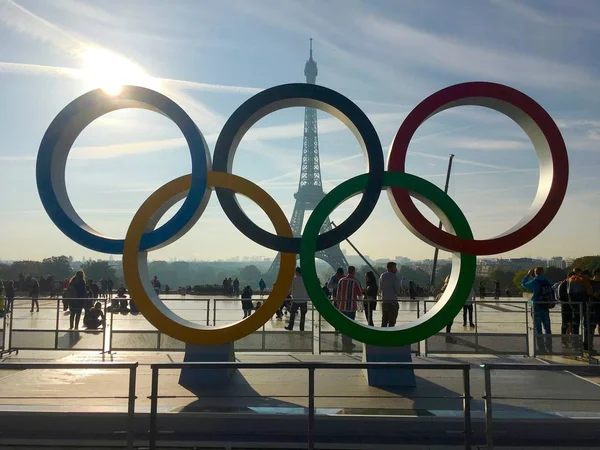
olympic-games-paris-2024-concept-illustration-ai-generated-image_268835-6125

JJ Weber is a Co-Founder of Player Support Services and Director of Sports and Injury Psychology. PSS is committed to revolutionizing player care for professional, Olympic, and collegiate athletes during and after their athletic careers.

For questions about this article or Player Support Services, contact JJ: joe@player-support.com

If you need support in your post-Olympic journey, Player Support Services is here for you. We offer many services that can benefit you in processing your experience or successfully transitioning to your next phase in life, such as sports psychology, career transition coaching, mental health counseling, business development, philanthropic work, writing assistance, and more.

For a detailed description of services, ch

Share Now :

Leave A Comment Cancel reply

Our Partners

123.-24
123.-01
123.-02
123.-30
123.-06
123.-05
123.-10
123.-27
123.-04
123.-09
new 2
new 3
123.-03
123.-12
-03
-01
images-16
Spancer_pROJECT...hhfd-11
123.-07
123.-08
123.-14
new 5
10-removebg-preview
new 4
images-22
images-21
123.-16
images-20
new 6
new 7
Spancer_546456dsf_22_copy_2-removebg-preview
Spancer_546456dsf_22_copy-removebg-preview
Spancer_546456dsf_22_copy_3-removebg-preview
Player Support Services Ltd continues offering our unrivalled range of services for athletes and sports organizations.
Instagram Linkedin

Services

  • Athlete Profiling
  • Branding
  • Business Development
  • Career Transition Coaching
  • Family Support
  • View All

Useful Links

  • About Us
  • Services
  • Our Blog
  • Memberships
  • My Account/Login
  • Contact

About Us

Confidentiality – We protect the interests and identities of our clients.

Copyright © 2026 Player-Support. All Rights Reserved.